
Multiplier Event: Bridging the Gap between the Labour Market and Learning Pathways in the Habitat Sector
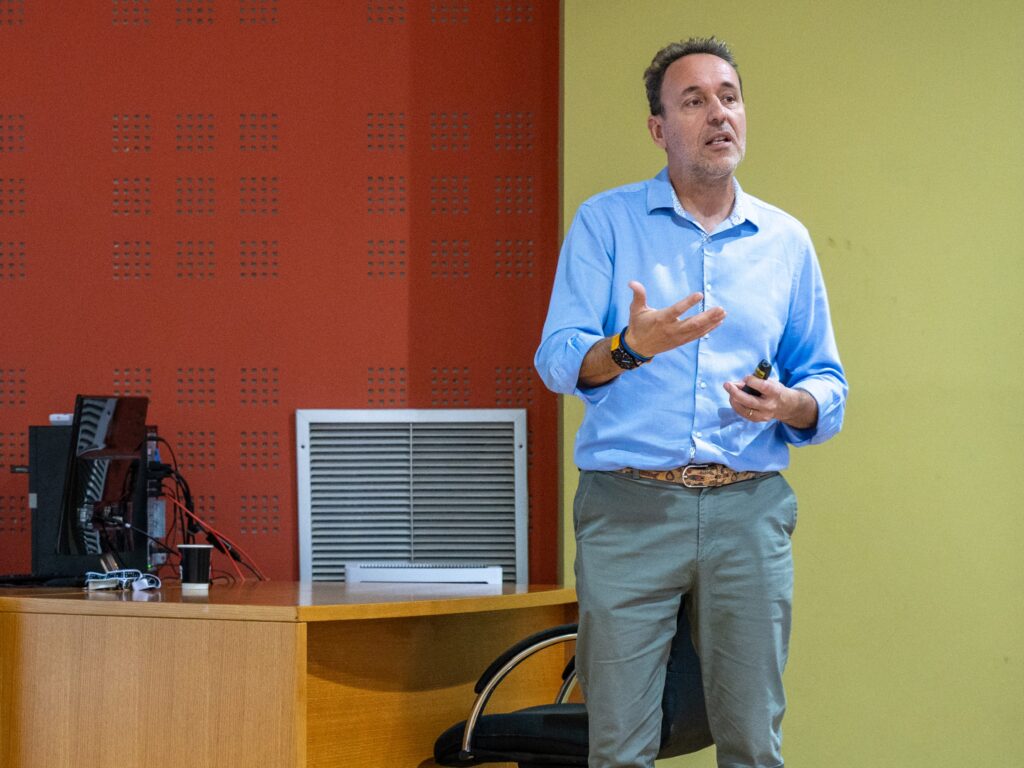
The Multiplier Event of the HABITABLE project brought together key stakeholders from education, training, and the habitat sector for a panel discussion titled “Bridging the Gap between the Labour Market & Learning Pathways in the Habitat Sector in Greece.” The discussion focused on the evolving education and training landscape in Greece and the skills required to support the green and digital transition. Facilitated by CluBE – Cluster of Bioeconomy and Environment of Western Macedonia, the panel featured contributions from the University of Thessaly, DIMITRA – Education & Consulting, VET providers, and habitat sector enterprises ALFAWOOD and CLIAPAS S.A. Speakers shared insights from their respective fields, highlighting current skills gaps, emerging labour market needs, and existing training initiatives relevant to the habitat sector. The discussion also encouraged speakers to reflect on potential policy recommendations that could better align learning pathways with labor market demands, supporting a more effective transition towards sustainability and digitalization. Emphasis was placed on strengthening cooperation between academia, VET, and industry as a key driver for future-ready skills development. The panel contributed to HABITABLE’s broader objectives of fostering dialogue among stakeholders and promoting inclusive, demand-driven education and training pathways that respond to the needs of the habitat sector in Greece.
Mind the Gap Workshop: Collaborative Policy Design for Green and Digital Skills Education in the Habitat Sector
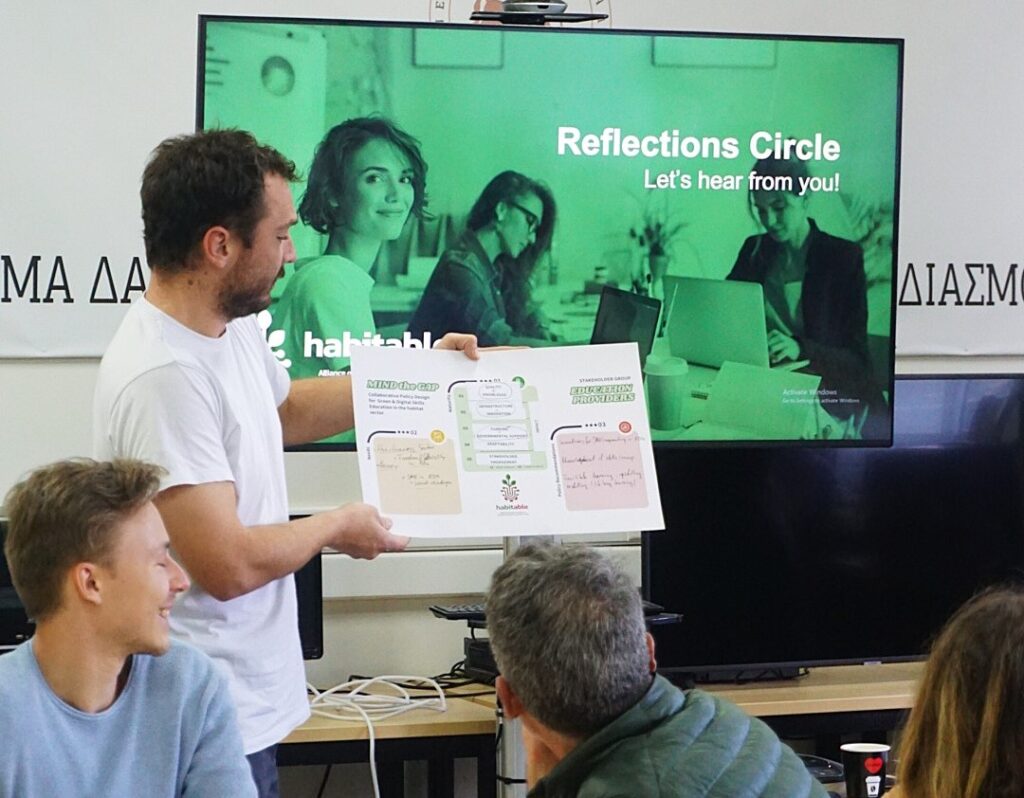
The workshop session “Mind the Gap: Collaborative Policy Design for Green and Digital Skills Education in the Habitat Sector”, organized by @CluBE – Cluster of Bioeconomy and Environment of Western Macedonia, brought together university students and members of the HABITABLE consortium for an interactive exchange on the future of skills in the habitat sector. The session focused on identifying existing gaps in green and digital skills education, drawing on the perspectives of different stakeholder groups. Through collaborative discussions and participatory activities, participants mapped current needs and challenges affecting education and training pathways, while exploring how policy design can better respond to emerging sectoral demands. The workshop placed strong emphasis on co-creation, encouraging students and experts to jointly develop practical and forward-looking policy recommendations. The outcomes of the session contribute to HABITABLE’s broader mission to support sustainable, inclusive, and future-ready skills development in the habitat sector, reinforcing the link between education, innovation, and policy-making.
Launch of the HABITABLE Greek Alliance
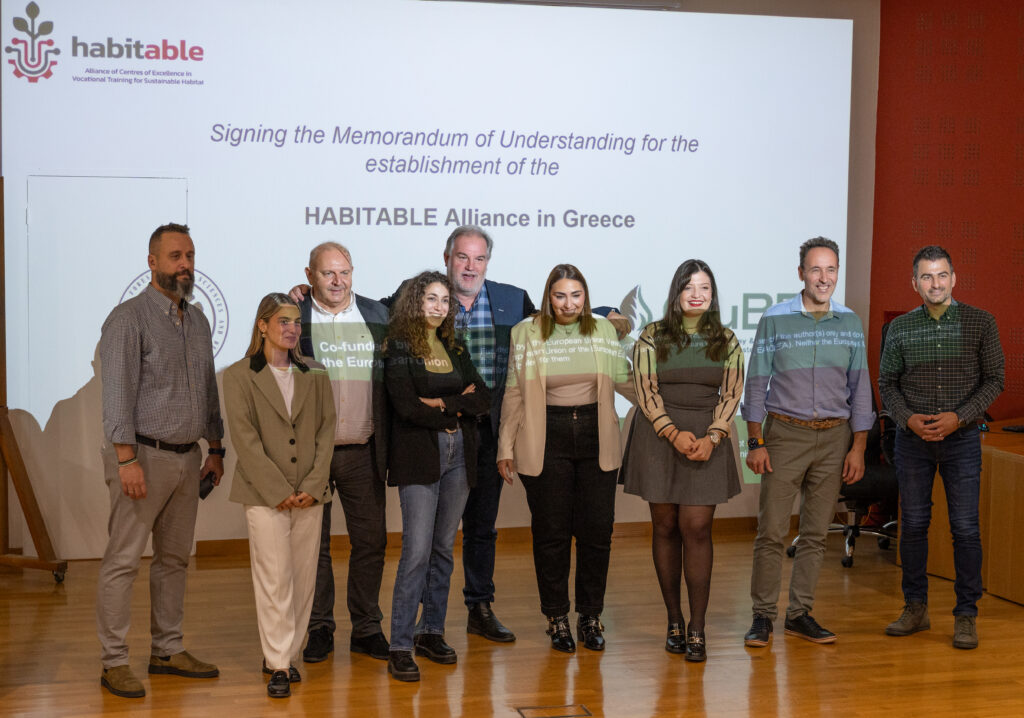
The Multiplier Event of the HABITABLE project concluded with the signing of a Memorandum of Understanding (MoU) establishing the HABITABLE Alliance in Greece, marking a significant milestone for national cooperation in the habitat sector. Under the framework of the Habitable CoVE project, the official launch of the Greek Alliance reflects HABITABLE’s continued expansion across Europe and its commitment to strengthening collaboration among key stakeholders at regional and national level. The Memorandum of Understanding was formally signed by @DIMITRA Education & Consulting SA, @CluBE – Cluster of Bioeconomy and Environment of Western Macedonia, and the @University of Thessaly. The HABITABLE Greek Alliance aims to promote the exchange of knowledge, best practices, and innovative training solutions, supporting a coordinated and strategic response to the green and digital transition shaping the habitat sector. By bringing together education providers, clusters, and academic institutions, the alliance reinforces synergies between skills development, innovation, and labour market needs. The establishment of the Greek Alliance is another strong example of HABITABLE’s collaborative and European approach—connecting regions, talent, and innovation to build a sustainable and future-ready habitat sector.
HABITABLE 4th Transnational Project Meeting & Multiplier Event Successfully Held in Greece
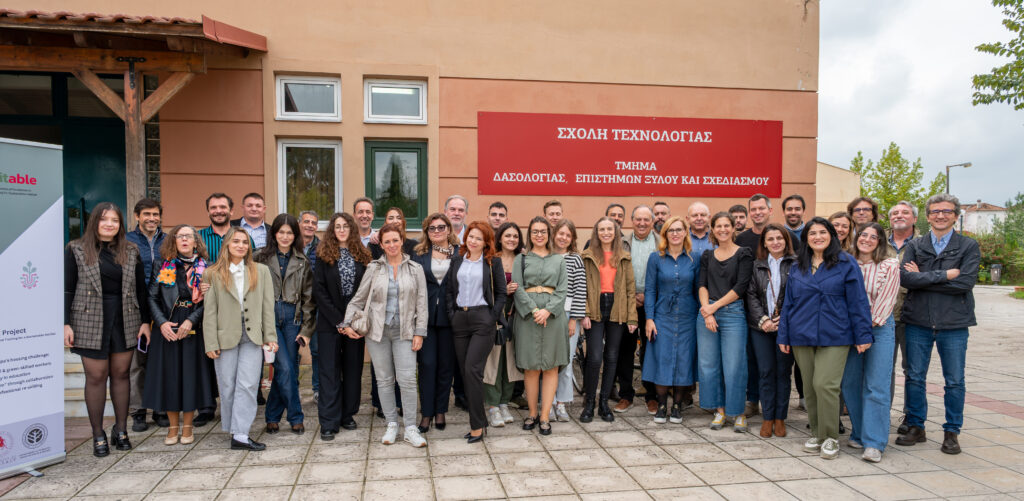
The HABITABLE 4th Transnational Project Meeting (TPM) and Multiplier Event was successfully held in Karditsa and Larisa, Greece, bringing together project partners, stakeholders, and experts from across Europe for three days of intensive collaboration, dialogue, and knowledge exchange. Co-organized by the University of Thessaly, DIMITRA Education & Consulting, and CluBE – Cluster of Bioeconomy and Environment of Western Macedonia, the event showcased Greece’s active role in advancing innovation, sustainability, and vocational excellence within the Habitat sector. Productive Discussions and Knowledge Exchange in Karditsa The core programme took place at the University of Thessaly in Karditsa, where partners engaged in dedicated project meetings focused on reviewing progress, coordinating upcoming actions, and ensuring alignment across work packages. A guided tour of the university facilities further strengthened links between academic research, vocational education and training, and applied innovation. A central highlight of the event was the Multiplier Event, which brought together educators, policy makers, SMEs, and sectoral stakeholders. Through a panel discussion and an interactive workshop, participants explored critical topics such as green and digital skills development, work-based learning, social inclusion, and the evolving needs of the Habitat skills ecosystem. The open exchange of perspectives reaffirmed the importance of cross-sector and multi-level cooperation at both regional and European levels. Strengthening Industry Links and National Alliances The final day in Larisa focused on strengthening the connection between education and industry. A study visit to ALFAWOOD provided participants with valuable insights into practical examples of business–education cooperation and sustainable production processes in the habitat sector. The programme concluded with a dedicated project meeting on National Alliances, highlighting the crucial role of regional ecosystems in ensuring the long-term impact and sustainability of the HABITABLE initiative. Beyond the formal sessions, the event fostered meaningful networking through shared meals and informal discussions, further consolidating the HABITABLE community and its shared vision for the future. Overall, the 4th TPM & Multiplier Event marked a significant milestone for the project, reinforcing cooperation among partners and translating strategic objectives into concrete actions towards a more inclusive, green, and digitally skilled Habitat sector in Europe.
Launch of the HABITABLE Alliance Portugal: Building a national skills ecosystem for the habitat sector
The Portuguese partners of the HABITABLE project — Cluster Habitat Sustentável, CTCV Coimbra, and the University of Aveiro — have officially launched the HABITABLE Alliance Portugal, a new national initiative to strengthen the skills ecosystem in the Habitat sector. This alliance represents a key step in the project’s mission to develop a network of Centres of Vocational Excellence (CoVEs) that are actively contributing to the green and digital transitions. Through the HABITABLE Alliance Portugal, the partners aim to promote inclusive, forward-looking cooperation between VET providers, industry, research, and public stakeholders at national level. The national alliance will also be closely connected to similar platforms across the countries participating in the HABITABLE project, reinforcing transnational collaboration and knowledge sharing within the European Habitat skills ecosystem. By aligning educational programmes with labour market needs, and supporting sustainable innovation in training, the HABITABLE Alliance Portugal is committed to enhancing competitiveness, inclusion, and sustainability in the built environment.
SIMS reveals first results: Aligning VET with green and digital transition needs
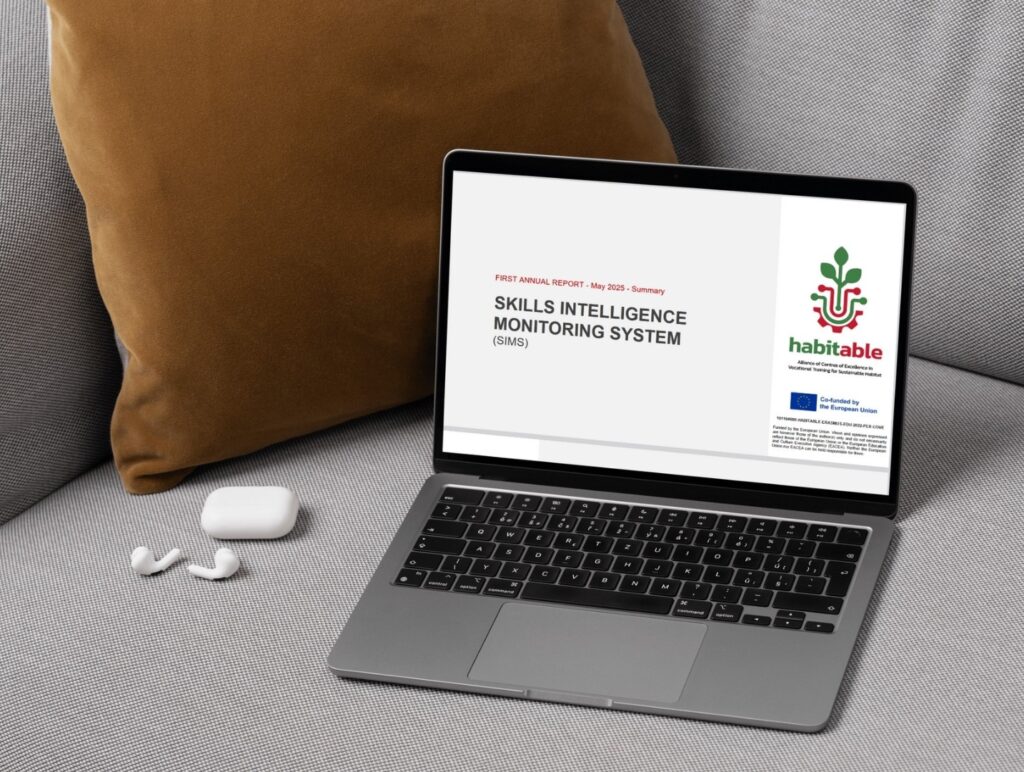
The HABITABLE project’s Skills Intelligence Monitoring System (SIMS) has delivered its first major results, offering valuable insights into current and future skill demands in two key sectors: green transition in manufacturing and lightweight and wood construction. This milestone represents a fundamental step toward bridging the gap between Vocational Education and Training (VET) and the evolving needs of the labour market in the Habitat sector. In the manufacturing sector, SIMS identified 184 green-related skills and competences spread across 33 occupations. These include abilities such as assessing environmental impact, using sustainable materials, promoting environmental awareness, and ensuring compliance with environmental legislation. Encouragingly, the analysis revealed that existing training provision already covers all these identified skills gaps. A total of 99 training programmes addressing 204 relevant skills were mapped, confirming the strong alignment between current VET offerings and the demands of the green transition in industry. The study also explored the lightweight and wood construction sector. Here, SIMS identified 208 necessary skills linked to 33 occupations, and 96 training programmes covering 312 skills across 74 occupations. Among the most frequently required competences are integrating building requirements into design processes, using technical drawing software, and operating 3D modelling tools. While most skills are already being addressed in training—277 out of 346 identified—the remaining 69 gaps highlight areas for improvement and innovation in course design. These findings will directly inform two of the project’s flagship digital tools: the Training Offer Panel (TOP HABITAT) and the Sector Map of Jobs and Skills, helping stakeholders identify training needs, design more relevant learning pathways, and strengthen the strategic role of VET in supporting green and digital transitions. The SIMS methodology, based on data-driven sectorial monitoring, is proving essential for guiding policy decisions, designing targeted training offers, and ensuring the workforce is equipped with the right competences for a sustainable future. These first results highlight how VET systems can become more responsive, agile, and aligned with the transformations shaping the European Habitat sector. To learn more about the Skills Intelligence Monitoring System and its initial findings, visit: https://habitable-cove.eu/smart-sip/smart-info/monitoring-system/
The DUAL Online Centre: A new HUB for Work-Based Learning in the habitat sector
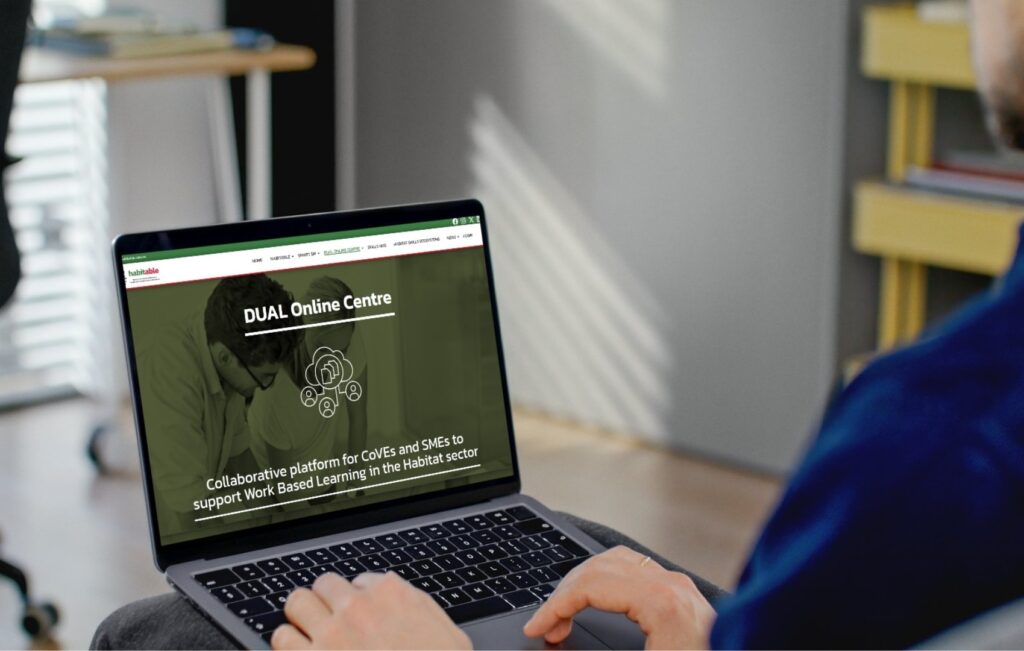
The DUAL Online Centre is a dynamic digital platform created under the HABITABLE project to strengthen Work-Based Learning (WBL) in the Habitat sector across Europe. This innovative platform is designed to connect Centres of Vocational Excellence (CoVEs) and Small and Medium Enterprises (SMEs), fostering collaboration between vocational education providers, companies, policymakers, and other key stakeholders. It offers a wide range of resources, tools, and collaborative spaces to support high-quality, inclusive, and future-ready learning. At the heart of the DUAL Online Centre lies the CoVEs Online Collaborative Space — a virtual hub that facilitates networking, co-development of training solutions, and the sharing of best practices among professionals. Within this space, users can participate in the implementation of key HABITABLE initiatives such as: The Community of Practice in WBL Excellence, a network for exchanging knowledge and promoting inclusive, innovative approaches to WBL. The Incubator of Business–Education Partnerships, which supports the development of strong cooperation models between VET centres and businesses. Whether you’re an educator, SME representative, VET provider, or policymaker, the DUAL Online Centre offers tailored support to help you address the challenges and opportunities of the green and digital transitions. Explore the DUAL Online Centre: https://habitable-cove.eu/dual-online-centre/
Habitat Regional Alliance of Castilla y León signing at the 2025 Skills Forum in Valladolid
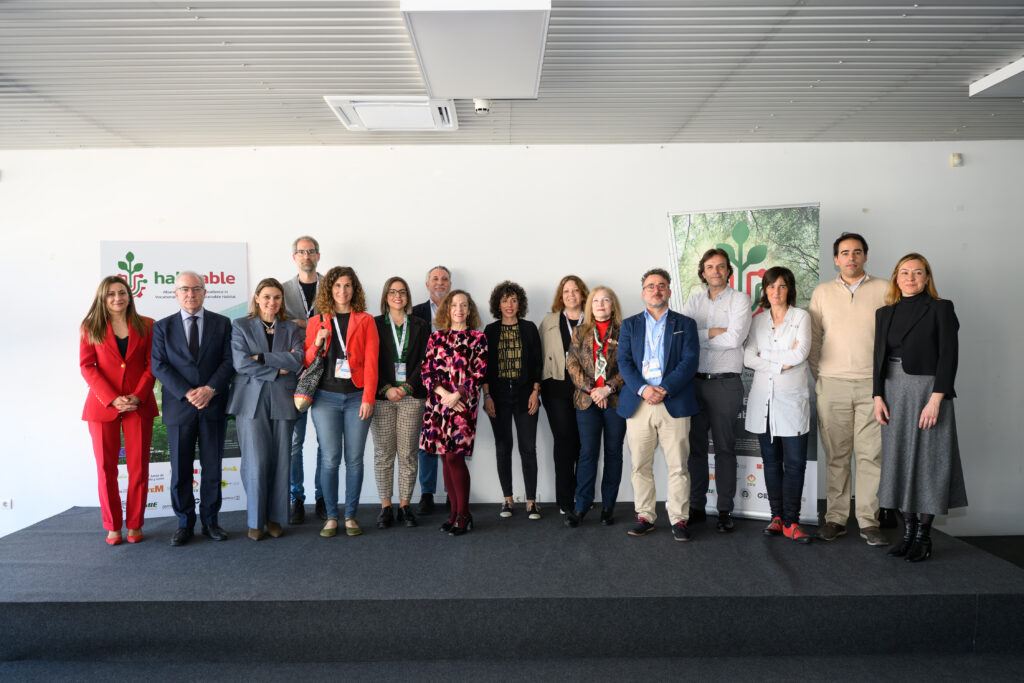
Within the framework of the 4th Vocational Education and Training Forum of Castilla y León held on April 8-9 in Valladolid (Spain), the signing ceremony of the HABITABLE Regional Alliance of Castilla y León took place. This event marked a key step in continuing to strengthen a collaborative model around the habitat sector, and it was made possible thanks to the commitment of all partner organizations, as well as those that, through their presence, have actively chosen to join this process. Signed by AEICE, EDUCACyL, INFODEF, el Instituto De La Construcción De Castilla Y León (ICCL), Fundación Laboral de la Construcción and CESEFOR this alliance is the starting point for improving and promoting collaboration between Europe’s centres of professional excellence and all the key agents in the habitat ecosystem, both at local, regional, national and European level. The HABITABLE Regional Alliance of Castilla y León will now support the recruitment of Business Associations, companies and institutions from the rest of the Autonomous Communities at national level, adding other valuable members (VET providers or stakeholders entities) from others regions to expand HABITABLE methodology, tools and impact
HABITABLE showcases sustainable construction VET at Castilla y León’s Skills Competition 2025
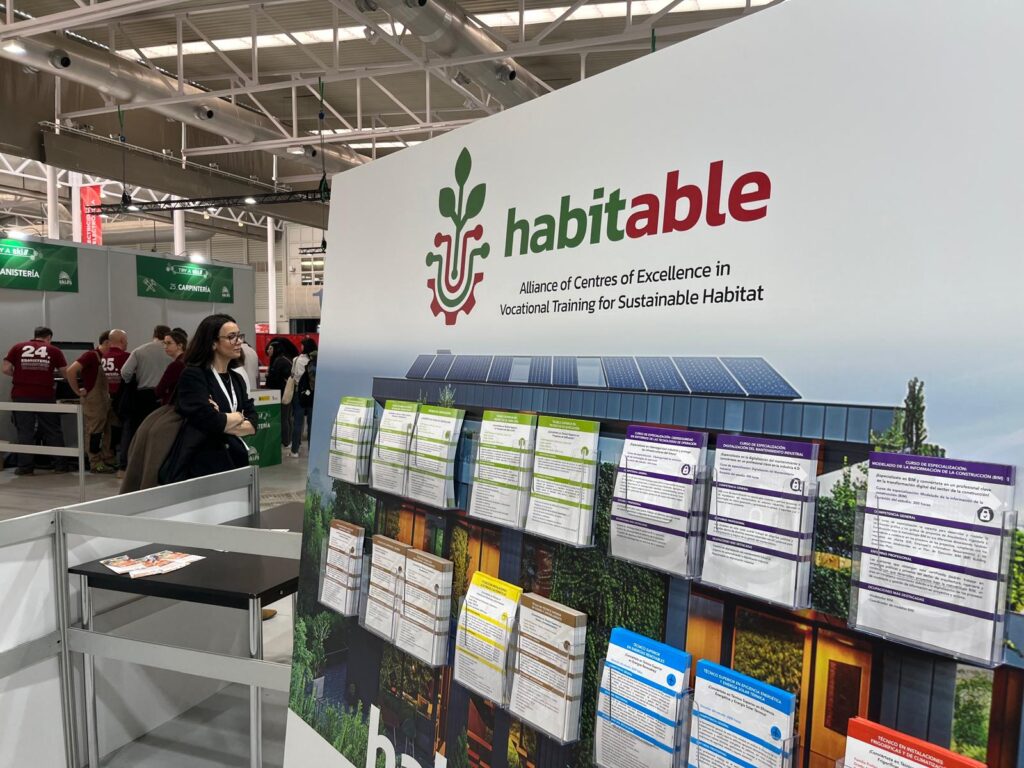
The HABITABLE project was featured at the IV Vocational Education and Training Forum of Castilla y León, held on April 8–9, 2025, at the Valladolid Congress Centre. INFODEF, as a HABITABLE partner, took part in a roundtable discussion on integrating green and digital competencies into VET curricula; concurrently, the Skills Castilla y León 2025 Competition highlighted the talents of young students across over 30 vocational skills areas, including mechatronics, industrial control, renewable energy, carpentry, and masonry. The competition offered a real-world platform to demonstrate both craftsmanship and creativity. Within the masonry area of the competition, HABITABLE hosted a dedicated stand showcasing educational offerings in the habitat sector. The stand provided attendees with insights into sustainable construction practices and the importance of integrating green skills into VET programs.Visitors to the HABITABLE stand had the opportunity to engage with the competitors and VET teachers, and learn about career pathways in sustainable construction. The presence of HABITABLE at this significant event underscored the project’s commitment to promoting excellence in vocational training and to fostering a workforce equipped to meet the challenges of sustainable development in the habitat sector.
HABITABLE Community of Practice in WBL Excellence is now available at the Dual Online Center
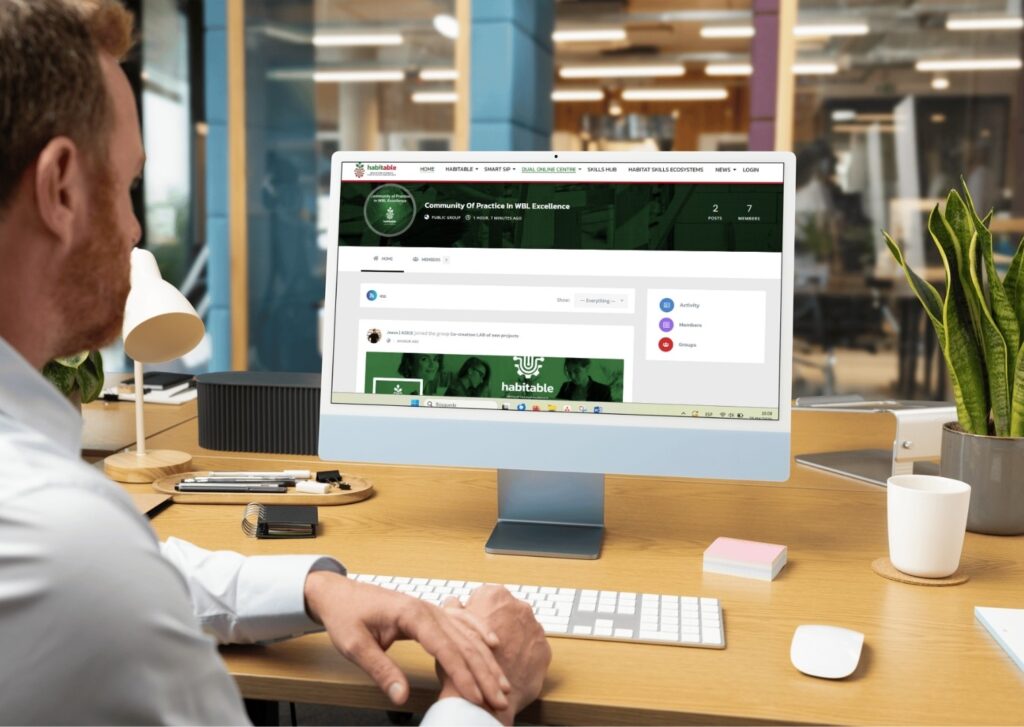
The HABITABLE project has made a significant stride in enhancing vocational education and training (VET) in the Habitat sector with the launch of the Community of Practice (CoP) in Work-Based Learning (WBL) Excellence, now accessible through the Dual Online Center. This collaborative platform brings together key stakeholders in VET, including Centers of Vocational Excellence (CoVEs), small and medium-sized enterprises (SMEs), educators, and policymakers, to foster the development of high-quality work-based learning experiences. By leveraging the resources and tools available at the Dual Online Center, the Community of Practice enables participants to exchange best practices, co-develop innovative strategies, and strengthen partnerships between businesses and training institutions. The CoP focuses on supporting the digital, green, and inclusive transitions in the Habitat sector by enhancing the quality of apprenticeships and WBL opportunities. This space serves as a hub for knowledge-sharing, professional development, and the creation of structured, impactful learning opportunities that are aligned with the evolving needs of the labor market. Key features of the Dual Online Center include: Access to innovative resources: Members can explore a rich collection of tools, methodologies, and guidelines to improve the design and delivery of apprenticeships and WBL programs. Thematic groups and forums: The platform offers a variety of thematic groups where members can engage in discussions, share experiences, and collaborate on projects related to work-based learning excellence. Support for SMEs and VET centers: The center provides tailored resources and technical support to help SMEs and VET institutions align their programs with the Sustainable Development Goals (SDGs), focusing on the integration of green, digital, and inclusive apprenticeships. Inclusive learning space: The CoP promotes accessibility and social inclusion by offering guidance and resources to ensure that apprenticeships are equitable for all learners, including those from disadvantaged backgrounds. By joining the CoP in WBL Excellence, members gain access to a dynamic network dedicated to transforming the future of work-based learning in the Habitat sector. Participants can co-develop curricula, engage in joint research, and collaborate on initiatives that address the digital and sustainability challenges facing the industry. The platform also facilitates the development of Business-Education Partnerships through its Incubator of Business-Education Partnerships, an innovative initiative that connects VET providers and businesses to co-create training programs that are directly aligned with industry needs. This initiative supports the growth of high-quality apprenticeships and work-based learning opportunities, further strengthening the link between education and industry. To become a part of this promising Community of Practice and contribute to the future of vocational education and training in the Habitat sector, register now at the Dual Online Center here: https://habitable-cove.eu/register/